
The Chef Who Makes Fingerboards

Most mornings, Scotty runs a kitchen. As a Sous Chef at Nike’s World Headquarters campus outside Portland, he works in an environment where timing is everything and the team moves as one. About a year and a half ago, with his wife’s encouragement, he went back to something he’d loved even longer than cooking: fingerboarding. He soon started making his own decks. That led him into Portland’s small, generous fingerboard scene, and gave him a quieter kind of work: one person, one task, his own music playing.
We spoke with Chef Scott Fiehmann about what the kitchen and the workbench share, about presence, failure, and the restaurant he still dreams of opening, and about what it means to care about something enough to make it better than the last.

(NY) Please introduce yourself to our readers!
(SF) Hey, what’s going on, guys? My name is Scotty, or Chef Scotty. I’m 37, born and raised in San Jose, California, and I moved to the PNW about 10 years ago. I’m currently living in Beaverton, OR, just outside the Portland metro area. I’ve been working in kitchens for 15 years and messing around with fingerboards even longer. I’m currently a Sous Chef at the Nike World Headquarters campus. I started making decks about a year and a half ago after revisiting my love for fingerboarding, which my beautiful wife encouraged. I started off by purchasing well-known brands because, as far as pro setups were concerned, I didn’t know a lot outside of Tech Deck. I began following a local tattoo artist in Portland who had done a collaboration with a local FB deck maker, Jason, who owns Ruckus Fingerboards. I reached out via Instagram asking when the decks would release, or saying how excited I was for them, something to that effect. He responded saying he would just sell me one now if I was interested. I was pleasantly surprised by just how humble and good of a dude he was, and just how open the community seemed altogether. We met up at @plairs_club_fb_, which is now @signalboardroom, owned and operated by a very close friend of the previous owner. We made our transaction, and we’ve remained in contact through the shop, chatting about the craft of deck making.

(NY) Is there a specific feeling, a state of focus that cooking and fingerboarding both give you, one that’s hard to find anywhere else?
(SF) The feeling of complete presence and mindfulness is something I find essential to being successful on a consistent basis. Without it, you can find yourself “in the weeds” in the kitchen, or chasing your tail while trying to land a new FB trick or in the process of making decks.

(NY) What draws people to the delicate, sometimes stressful experience that both cooking and fingerboarding demand? How do you think that sensitivity deepens the way someone sees the rest of their life?
(SF) I think when you become fully invested in either of these crafts, you can become “tunnel-visioned” or “hyper-focused,” and it can create a sense of calm for certain personality types. Controlled chaos can be a beautiful art when all systems are working with what seems like little effort. When I think of high-stress environments, I’m referring more to the chef side of things. That’s not to say there aren’t very stressful times when you’re running a fingerboard business; it just has a different tempo from the kitchen. Knowing when to move quickly and when to slow down is important not just for these crafts, but for all facets of life. It’s much easier said than done in many cases, but that’s what I strive to do.

(NY) You also started making fingerboards, which is often a lonely practice; working at a restaurant, on the other hand, is deeply communal. How do you move between those two different kinds of attention?
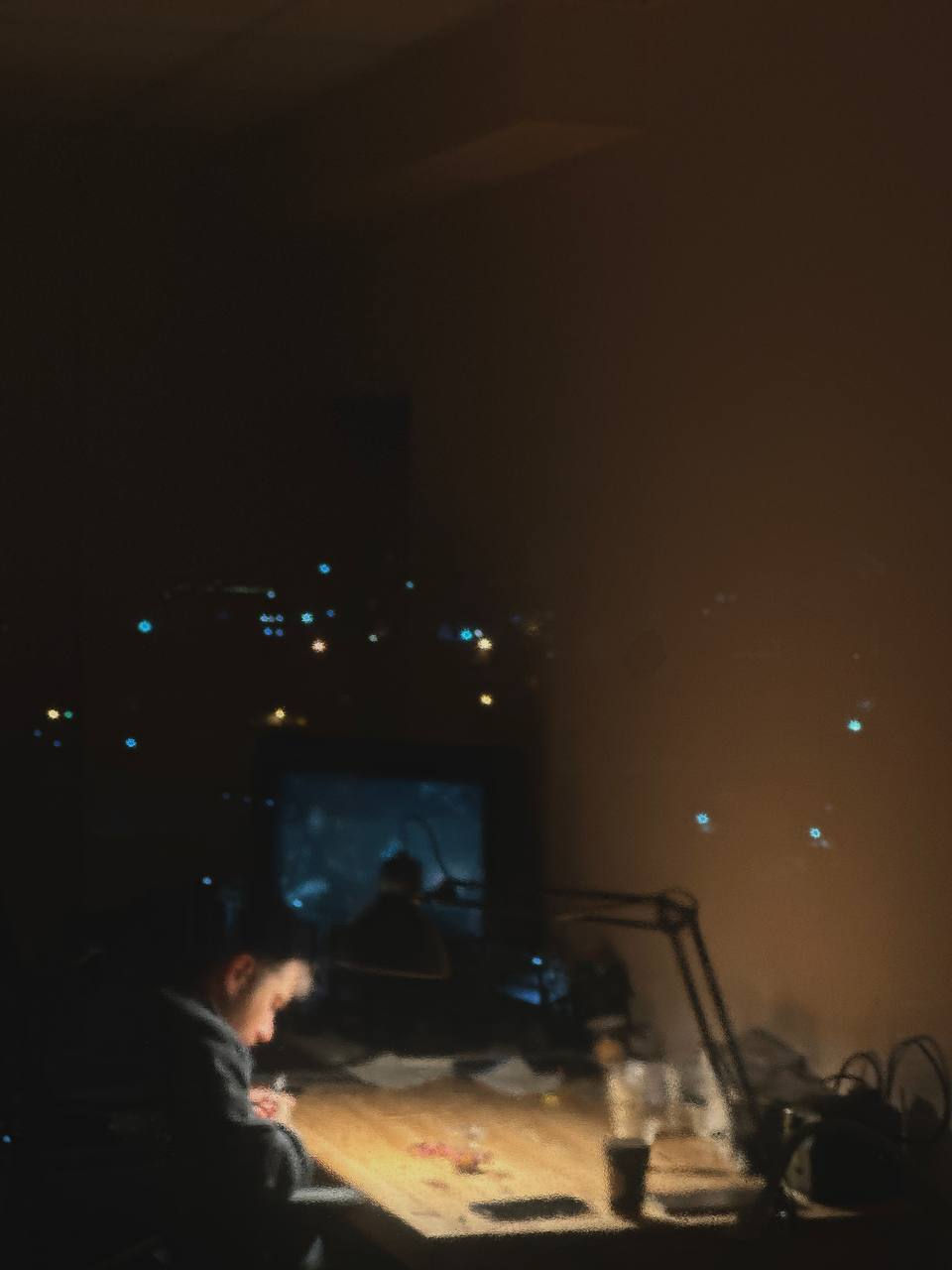
(SF) Being able to create fingerboards allows me to disconnect from all the chaos of a kitchen. It’s a time for me to get away and still create, but on my own terms, and it’s a different creative outlet away from food. A small amount of distance seems to keep my heart strong for food, so I don’t always see it as just the way I make a living. I try to bring the same search for perfection to every deck that I bring to the kitchen. I know perfection isn’t possible, but I feel it’s my duty to try. I get to listen to my music, the stress level is lower, and I get to hyper-focus on one task for a while, not a million.

(NY) Both crafts ask you to fail, over and over, before you start to progress. What has that patience taught you about yourself outside the kitchen and making boards?
(SF) Each fail is nothing more than a lesson if you let it be. I’ve never been someone who can learn just by reading about something or being verbally instructed; I have to see it and do it for myself. To get good at something, I need to do it over and over and over again. I try to stay patient with the process, understand that failure is just part of the journey, and take it as it comes.

(NY) Do you remember the moment either craft stopped feeling like effort and started feeling like flow? What was happening around you?
(SF) As fluent as both crafts can feel at times, there’s always a level of respect you must give each by doing your best to stay on point and focused. The times you feel overly confident, sure of yourself, or too relaxed are the times you can get caught flat on your heels, and that’s when mistakes are made: in moments of complacency. When you’ve worked with a team in the kitchen long enough, and everyone is just as passionate about the work as the next person, it can truly feel like a dance where everyone knows their steps. Deck making can be like this when you find a more efficient way of doing something or keep an organized workspace, but in both, mistakes are always trying to happen.

(NY) How do you make peace with a dish or a fingerboard that doesn’t come out the way you saw it in your head?
(SF) Learn what not to do from that mistake, throw the product away, and move on. If I wouldn’t eat it or wouldn’t use it personally, then I’m not serving it to my customers.
(NY) Is there a version of either craft you’re still chasing personally, one you haven’t told many people about?
(SF) I’d love to own an elevated American BBQ/French restaurant that’s only open on weekends; when we’re out, we’re out, and we’ll see you next weekend. Properly smoked meats with refined sides, plus off-menu specials where I can bring in my love for Asian and Mexican cuisine. I’m half Mexican and grew up with access to all kinds of culturally traditional foods while living in the Bay Area. As for decks… I’m just trying to make the best decks I possibly can right now and slowly build my brand in this already beautiful community. Much love to the Portland fingerboard scene and the amazing dudes coming out of places like @signalboardroom, @ruckusfingerboards, @goodfortunefingerboards, and @plairs_club_fb_. They’re all great human beings, holding down fingerboard culture while pushing the movement hard in the PNW. Also, much love to all the creators and makers in the scene worldwide. It’s a great thing to be a part of, and a great time for it. It’s a pipe dream, but one day I’d love to work with local graffiti artists and fine art painters on themed limited-release decks.

(NY) If someone asked you to define “care” using only what you’ve learned from cooking and fingerboarding, what would you say?
(SF) Care is doing what’s right even when no one is looking, and being true enough to your craft to “care” about producing something you can say you’re proud of. Everyone is at a different place with their skills and their own personal journey, but do you respect yourself enough to say, “I put forth the best thing I could with the knowledge and know-how I have right now”? I’ve made hundreds of decks and millions of plates of food, but each time I do it, I care enough to try to make it better than the last.
Scott Fiehmann
Instagram: @crispy_fb_decks


Comments